Best Countries for Canadians to Retire Abroad in 2026
Compare top retirement destinations for Canadians in 2026, including Portugal, Mexico, Panama and Costa Rica. Learn how lifestyle, healthcare, visas, pensions and exchange rates can shape your move abroad.

The best places for Canadians to retire abroad in 2026 include Portugal, Mexico, Panama, Costa Rica, Spain, Italy, Greece, Thailand, Belize and France. Each destination offers a different mix of affordability, climate, healthcare access, lifestyle, residency options and currency considerations.
This guide is for Canadians planning retirement abroad who want to compare countries before moving savings, pension income or property funds internationally. It covers where Canadian retirees may want to live, what to check before moving, how CPP and OAS may work abroad, and how exchange rates can affect day-to-day retirement income.
Quick overview: Portugal, Mexico, Panama, Costa Rica, Spain, Italy, Greece, Thailand, Belize and France are among the best countries for Canadians to retire abroad in 2026. The best choice depends on your budget, health needs, visa eligibility, preferred climate and how you plan to manage Canadian-dollar income in a foreign currency.
Retiring abroad can be rewarding, but it also requires careful planning. The Government of Canada recommends that Canadians retiring outside Canada review residency rules, tax implications, healthcare access, travel documents, local safety conditions and financial arrangements before making the move through its retiring outside Canada guidance.
Quick answer: What are the best places for Canadians to retire abroad?
The best countries for Canadians to retire abroad depend on budget, lifestyle, healthcare needs, visa options and how often you plan to return to Canada.
For many Canadian retirees:
- Portugal is a strong choice for European lifestyle, healthcare access and coastal living.
- Mexico works well for affordability, warmth and proximity to Canada.
- Panama appeals to retirees looking for a warm climate and retiree-friendly residency options.
- Costa Rica suits retirees who value nature, stability and outdoor living.
- Spain offers Mediterranean lifestyle, walkable cities and strong expat appeal.
- Italy is attractive for culture, food, scenery and slower-paced living.
- Greece offers island life, sunshine and relatively affordable European living.
- Thailand stands out for lower living costs and private healthcare value.
- Belize appeals to retirees who want an English-speaking Caribbean environment.
- France is a good fit for retirees prioritizing culture, healthcare and quality of life.
The right choice depends less on rankings and more on how well the country fits your healthcare needs, income, visa eligibility, tax situation, comfort with the local language and exposure to foreign exchange rates.
Best countries for Canadians to retire abroad: comparison table
How we chose these retirement destinations
These countries were selected based on the factors Canadian retirees usually compare before moving abroad:
- Cost of living: Housing, groceries, healthcare, transportation and lifestyle costs.
- Healthcare access: Availability of public or private care and the likely need for insurance.
- Residency options: Whether Canadians can realistically plan for long-term stays.
- Safety and stability: Official travel guidance and practical day-to-day considerations.
- Lifestyle fit: Climate, community, language, culture, transportation and access to Canada.
- Currency exposure: Whether expenses are in EUR, USD, MXN, THB or another currency, while income may still arrive in CAD.
- Money movement: How easily retirees can transfer pension income, savings or property funds abroad.
Rules can change, so Canadians should confirm current entry, visa, healthcare and tax requirements using official sources before making relocation decisions. The Government of Canada’s travel advice and advisories are a useful starting point for checking destination-specific safety, entry and health information.
| Field | Value |
|---|---|
Amount to Move (USD) 500,000 | |
Bank Exchange Rate 1.4427 / 0.6932 | |
Total cost 721,344CAD |
| Field | Value |
|---|---|
Amount to Move (USD) 500,000 | |
MTFX Exchange Rate 1.4179 / 0.7053 | |
Total cost 708,968CAD |
You Save
CAD 12,376
CAD
17 October 2026
We use mid-market rates. This is for informational purposes only. Log in to view send rates.
1. Retiring in Portugal from Canada

Portugal is one of the best countries for Canadians to retire abroad if they want a European lifestyle, mild weather, coastal living and access to cities with strong cultural and healthcare infrastructure.
Why Portugal stands out
Portugal offers beaches, historic cities, public transportation and established expat communities. The Algarve is popular for coastal retirement, while Lisbon and Porto appeal to retirees who want city amenities, culture and stronger transportation links.
It can be more affordable than some Western European destinations, but costs vary sharply. A retiree living outside major urban or coastal hotspots may have a different budget than someone renting in central Lisbon or buying property in the Algarve.
What Canadian retirees should consider
Portugal is part of the Schengen area, so short-stay rules are different from long-term retirement planning. Canadians should confirm visa and residence requirements before moving and review the Government of Canada’s Portugal travel advice.
Money planning tip
Portugal uses the euro, so retirees earning or holding funds in Canadian dollars need to plan CAD/EUR transfers carefully. A small exchange rate difference can affect monthly rent, insurance premiums or property-related payments.
MTFX can help Canadians manage personal international money transfers when moving retirement funds from Canada to Europe.
Best fit: Portugal is best for Canadian retirees who want a European base with coastal lifestyle, healthcare access and strong long-term lifestyle appeal.
2. Retiring in Mexico from Canada
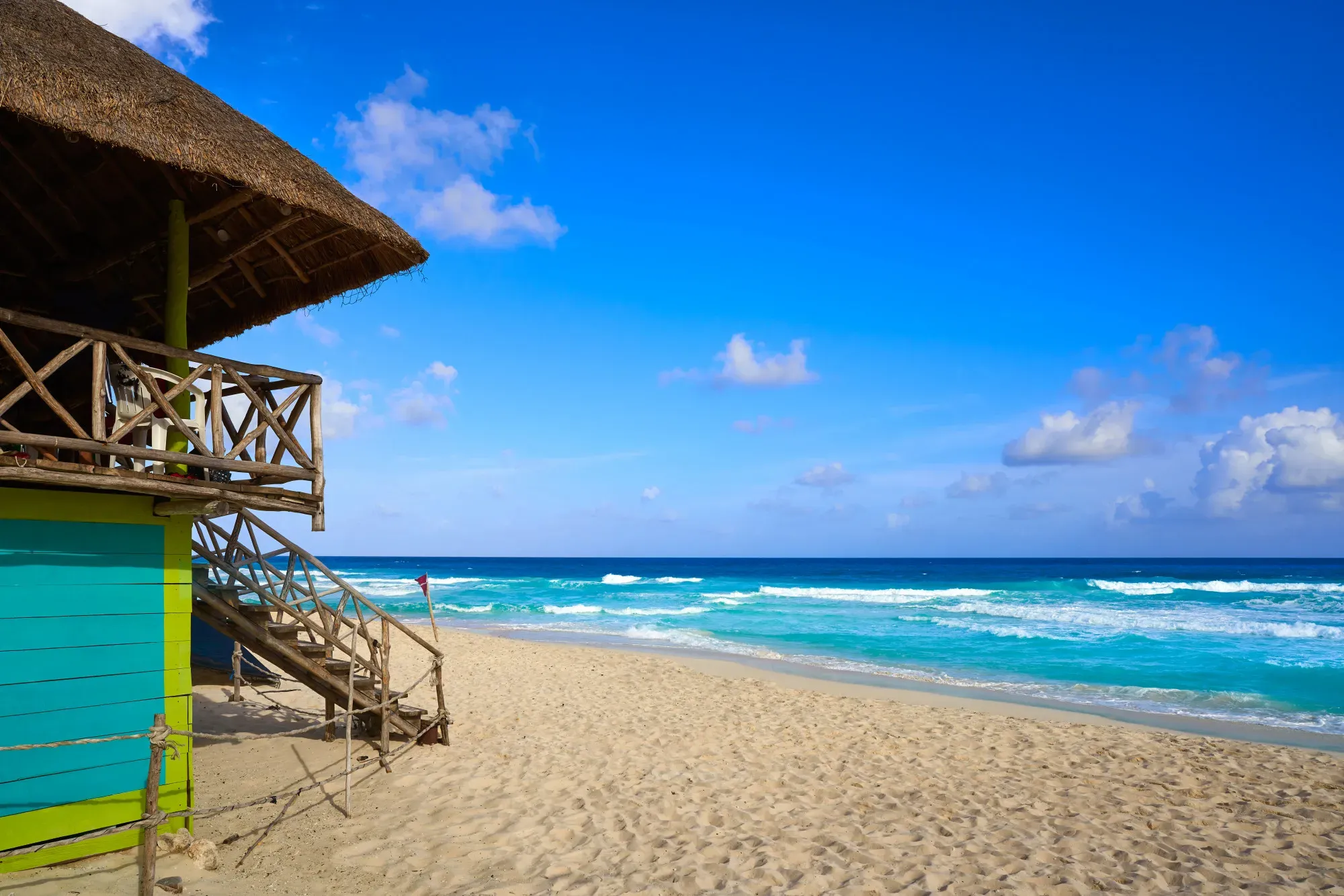
Mexico is a popular choice for Canadians who want warm weather, lower living costs, shorter flights home and well-established snowbird and expat communities.
Why Mexico stands out
Mexico offers many retirement lifestyles, from beach towns to colonial cities and inland communities. For Canadians, its proximity is a major advantage. Flights home are generally shorter than from Europe or Asia, which can matter for family visits, healthcare appointments or seasonal travel.
Affordability is another major draw. Many retirees find that housing, dining and local services can cost less than in large Canadian cities, although prices can be much higher in popular expat destinations.
What Canadian retirees should consider
Safety, healthcare access and costs vary widely by region. Canadians should compare local conditions carefully and review the Government of Canada’s Mexico travel advice, especially because guidance may differ by state or region.
Money planning tip
If your pension or savings are in Canadian dollars but your expenses are in Mexican pesos, CAD/MXN exchange rates can affect your monthly budget.
For example, a retiree transferring CAD 3,000 per month could feel the difference if the exchange rate changes before rent, groceries or healthcare bills are paid. Planning transfers ahead of time can make monthly budgeting easier.
Best fit: Mexico is best for Canadian retirees who want affordability, warmth, community and relatively easy travel back to Canada.
3. Retiring in Panama from Canada

Panama can be a strong retirement option for Canadians looking for warm weather, modern services in urban areas and retiree-focused residency pathways.
Why Panama stands out
Panama offers a mix of city living, mountain towns and beach communities. Panama City provides major-city infrastructure, while Boquete attracts retirees looking for cooler weather and a smaller-town feel. Coronado and nearby beach areas appeal to retirees who want coastal living within reach of the capital.
The country is often discussed as a retirement destination because of its retiree-focused residency pathways and its use of the US dollar in everyday transactions.
What Canadian retirees should consider
The US-dollar-linked spending environment can be convenient, but it also means Canadian retirees are exposed to CAD/USD exchange rate movement. Retirees should also compare healthcare access by location and review the Government of Canada’s Panama travel advice before planning a long-term move.
Money planning tip
If your expenses are effectively in USD while your income is in CAD, a weaker Canadian dollar can make monthly costs feel higher. This is especially important for rent, insurance, medical care and property payments.
Best fit: Panama is best for Canadian retirees who want a warm climate, established expat areas and the convenience of a US-dollar-linked spending environment.
4. Retiring in Costa Rica from Canada

Costa Rica is a good fit for Canadian retirees who value nature, outdoor living, political stability and access to both public and private healthcare options.
Why Costa Rica stands out
Costa Rica appeals to retirees who want beaches, mountain towns, biodiversity and a slower lifestyle. The Central Valley is popular for its milder climate and access to services, while coastal towns attract retirees who want a beach-focused retirement.
It is often viewed as a stable and nature-rich destination, but it is not always the lowest-cost option in Latin America. Costs can rise quickly in beach towns and expat-heavy areas.
What Canadian retirees should consider
Canadians should review residency options, healthcare access and regional cost differences before choosing where to live. The Government of Canada’s Costa Rica travel advice provides current information on safety, entry requirements and health considerations.
Money planning tip
Some expenses in Costa Rica may be paid in colones, while others may be quoted in US dollars. That means retirees may need to think about both CAD/CRC and CAD/USD exposure when budgeting.
Best fit: Costa Rica is best for Canadian retirees who want nature, outdoor activities and a stable lifestyle, and who are comfortable comparing costs between local and expat-heavy areas.
5. Retiring in Spain from Canada

Spain is one of the best places for Canadians to retire abroad if they want a Mediterranean lifestyle, walkable cities, beaches, culture and strong transportation links across Europe.
Why Spain stands out
Spain offers a wide range of retirement settings, from lively cities to beach communities and smaller inland towns. Valencia and Alicante can appeal to retirees seeking walkability and Mediterranean living, while Málaga and the Costa del Sol are popular for sunshine and established international communities.
Spain also offers good transportation links, making it easier to travel within the country and across Europe.
What Canadian retirees should consider
Spain is in the Schengen area, so Canadians planning to stay long term need to look beyond short-stay tourist rules. Review the Government of Canada’s Spain travel advice and confirm visa requirements with official Spanish sources before relocating.
Money planning tip
Spain uses the euro, so recurring CAD to EUR transfers may be part of your monthly retirement plan. MTFX can support Canadians who need to send money to Spain for personal transfers, property payments or ongoing living expenses.
Best fit: Spain is best for retirees who want a warm European lifestyle, good transportation and a balance of city, coastal and cultural living.
6. Retiring in Italy from Canada

Italy is a strong retirement choice for Canadians who are drawn to culture, food, history, scenery and slower-paced regional living.
Why Italy stands out
Italy offers very different retirement lifestyles depending on the region. Tuscany may appeal to retirees who want countryside charm and cultural access, while Sicily, Puglia and Abruzzo may offer smaller communities and potentially lower costs than major cities.
For retirees who value food, architecture, history and a slower pace, Italy can be one of the most emotionally compelling retirement choices.
What Canadian retirees should consider
Administrative processes, language barriers and regional differences can require patience. Costs also vary significantly by city and region. Canadians should review the Government of Canada’s Italy travel advice before making plans.
Money planning tip
Italy uses the euro, so a Canadian retiree buying property or moving savings may face meaningful CAD/EUR timing risk.
For example, a 2% exchange rate difference on a CAD 250,000 property transfer equals CAD 5,000 in exchange value before transfer fees. MTFX can help Canadians send money to Italy for personal transfers, property costs or family support.
Best fit: Italy is best for retirees who value lifestyle, culture and regional variety, and who are prepared for administrative planning.
7. Retiring in Greece from Canada

Greece can be an appealing option for Canadians looking for sunshine, island living, Mediterranean food and a potentially lower-cost European retirement lifestyle.
Why Greece stands out
Greece offers coastal towns, islands, historic cities and smaller communities. Athens provides the strongest urban infrastructure, while Crete, Corfu and the Peloponnese attract retirees looking for slower living, beaches and milder winters.
For Canadians who want Europe but are concerned about cost, Greece may offer more affordable options than some Western European destinations, depending on the region.
What Canadian retirees should consider
Healthcare access and convenience can vary between major cities, islands and rural areas. Greece is also part of the Schengen area, so Canadians need to plan carefully for stays longer than the visa-free tourist period. Check the Government of Canada’s Greece travel advice before choosing a location.
Money planning tip
Greece uses the euro, which makes CAD/EUR planning important for rent, property costs and day-to-day spending. Retirees who transfer money monthly may want to monitor rates instead of converting large amounts without a plan.
Best fit: Greece is best for Canadian retirees who want sunshine, island or coastal living and a European lifestyle that may be more affordable than some Western European destinations.
8. Retiring in Thailand from Canada

Thailand is often considered by retirees who want lower living costs, warm weather, private healthcare options and a major lifestyle change from Canada.
Why Thailand stands out
Thailand offers a combination of affordability, warm weather, food culture and access to private healthcare in major centres. Chiang Mai may appeal to retirees seeking lower costs and a slower pace, while Bangkok offers major-city hospitals and services.
Phuket and Hua Hin may attract retirees who want beach living, although costs can be higher in popular coastal areas.
What Canadian retirees should consider
Thailand is far from Canada, and retirees should factor in long flights, time zones, language, visa rules and cultural adjustment. Healthcare can be strong in major private hospitals, but access may vary by region. Review the Government of Canada’s Thailand travel advice before planning a move.
Money planning tip
Thailand uses the baht. If you receive income in CAD and spend in THB, exchange rate movement can affect your housing, healthcare and lifestyle budget. Regular smaller transfers may help some retirees avoid converting too much at one unfavourable rate.
Best fit: Thailand is best for retirees who prioritize affordability, warm weather and private healthcare access, and who are comfortable living far from Canada.
9. Retiring in Belize from Canada
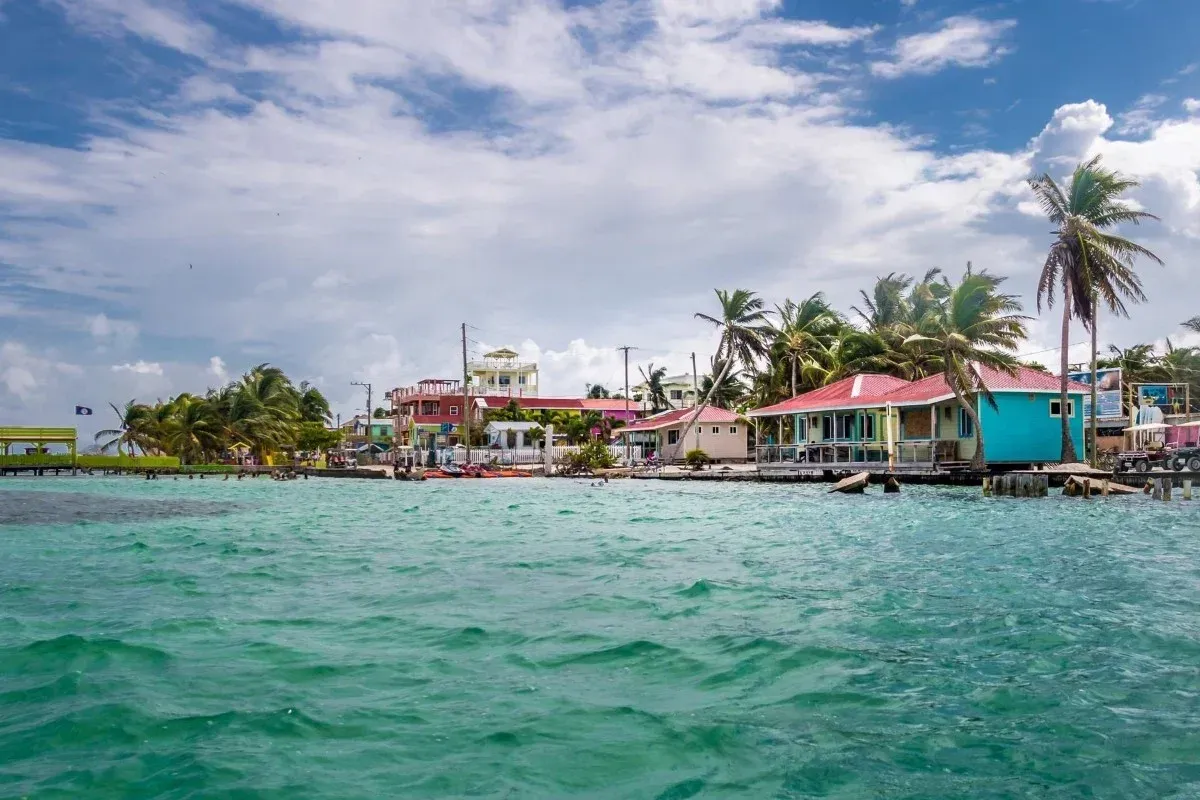
Belize may appeal to Canadian retirees who want an English-speaking environment, a Caribbean lifestyle and a smaller-country feel.
Why Belize stands out
Belize offers a Caribbean lifestyle without the immediate language barrier some retirees may face elsewhere. English is the official language, which can make daily life easier for Canadians who prefer not to retire in a country where they need to learn a new language immediately.
Ambergris Caye and Placencia are often considered for coastal living, while the Cayo District may appeal to retirees looking for a more inland lifestyle.
What Canadian retirees should consider
Healthcare access can be more limited than in larger countries, especially outside main population centres. Canadians should also review residency options, insurance needs and the Government of Canada’s Belize travel advice before committing.
Money planning tip
Belize uses the Belize dollar, which is linked to the US dollar. Some costs may be influenced by USD pricing, so Canadians should consider CAD/BZD and CAD/USD exchange rate exposure when budgeting.
Best fit: Belize is best for Canadian retirees who want English-speaking Caribbean living and are comfortable planning carefully around healthcare and location.
10. Retiring in France from Canada

France is a strong choice for Canadian retirees who value culture, food, healthcare, public services and a high quality of life.
Why France stands out
France offers many retirement lifestyles beyond Paris. Provence may appeal to retirees who want sunshine and villages, Brittany offers coastal charm, and Occitanie or Nouvelle-Aquitaine can provide a mix of culture, countryside and access to services.
For retirees who prioritize healthcare, food, culture and quality of life, France can be a strong fit.
What Canadian retirees should consider
France is not usually the cheapest retirement option, especially in Paris and high-demand regions. Canadians planning long-term stays need to review visa requirements, healthcare access and the Government of Canada’s France travel advice.
Money planning tip
France uses the euro. Retirees paying rent, healthcare costs or property expenses in EUR while holding income in CAD should monitor CAD/EUR exchange rates carefully. MTFX’s Europe money transfer service can support personal payments from Canada.
Best fit: France is best for Canadian retirees who want culture, healthcare access and lifestyle quality, and who have the budget for a more premium European retirement.
What should Canadians consider before retiring abroad?
Canadians can retire abroad, but they should compare residency rules, healthcare access, tax obligations, pension eligibility, safety, cost of living and currency exchange exposure before relocating.
Start with these practical questions:
- How long can you legally stay?
A destination may allow short tourist stays but require a visa or residence permit for long-term retirement. - Will you qualify for residency?
Some countries require proof of income, pension payments, insurance coverage, clean criminal records or local documentation. - What healthcare will you use?
Provincial health coverage is usually limited outside Canada, so private or expat medical coverage may be needed. - How will your pension income be paid?
CPP, OAS, private pensions, RRIF withdrawals and investment income may need to be transferred internationally. - What happens to your tax status?
Leaving Canada may affect your residency status, filing obligations and taxes on Canadian-source income. The CRA provides information for individuals leaving Canada and non-residents. - Can you test the lifestyle first?
A three- or six-month stay can reveal whether the healthcare, weather, transportation, language and daily costs match your expectations. - How will exchange rates affect your budget?
Retirees who receive income in CAD but spend in another currency should plan for exchange rate movement.
A good retirement destination should fit both your lifestyle and your financial reality. Warm weather alone is not enough if healthcare, residency rules or currency volatility create stress.
Can Canadians collect CPP and OAS while living abroad?
Canadians may be able to receive CPP and OAS while living abroad, but eligibility, payment rules, taxation and withholding can depend on your personal situation and country of residence.
Canada has social security agreements with several countries. According to Canada.ca’s page on pensions and benefits for people who lived or are living outside Canada, these agreements can help coordinate pension programs for people who have lived or worked in Canada and another country.
In practical terms:
- CPP is based on contributions made during your working years.
- OAS is based on residency rules and eligibility requirements.
- Social security agreements may affect eligibility if you lived or worked in another country.
- Taxes may apply depending on your residency status, income and destination country.
- Direct deposit and transfer planning matter if you need to move funds from Canada to your new country.
Example: A Canadian retiree living in Portugal might receive pension income in CAD but pay rent, groceries and healthcare costs in EUR. Even if pension eligibility is clear, the retiree still needs a practical plan for converting and transferring funds each month.
What healthcare and insurance issues should Canadian retirees check?
Canadian retirees should not assume their provincial health plan will cover them abroad. Most provincial and territorial health insurance plans provide little or no coverage for medical expenses outside Canada, and the Government of Canada advises Canadians living or retiring abroad to consider comprehensive private health insurance or expat medical coverage in its retiring outside Canada guidance.
Before choosing a country, check:
- Whether you can access the public healthcare system as a resident.
- Whether private insurance is required for a visa or a residence permit.
- Whether local hospitals can handle your medical needs.
- How prescription medications are accessed and priced.
- Whether pre-existing conditions are covered.
- Whether emergency evacuation or repatriation coverage is needed.
- How healthcare access differs between major cities, smaller towns and islands.
Example: A retiree may find excellent private hospitals in a major city but limited specialist care in a smaller beach town. That does not necessarily rule out the destination, but it may influence where they choose to live.
What are the cheapest countries to retire from Canada?
The cheapest country to retire to from Canada depends on lifestyle, housing, healthcare, insurance, location and currency exchange rates. Mexico and Thailand may offer lower day-to-day costs for many retirees, while Greece, Panama and Costa Rica can be affordable in some regions but more expensive in popular expat or tourist areas.
A lower-cost country is not always the better retirement choice. Healthcare access, safety, language, climate and legal residency may matter more than saving a few hundred dollars per month.
How do exchange rates affect retirement income abroad?
Exchange rates affect retirement income abroad when you receive money in Canadian dollars but spend in euros, US dollars, Mexican pesos, Thai baht or another local currency.
This can influence:
- Monthly rent or mortgage payments
- Healthcare premiums
- Groceries and utilities
- Property purchases
- Family support payments
- Local taxes or fees
- Emergency savings
Example: If a Canadian retiree transfers CAD 3,000 per month abroad, a 2% exchange rate difference equals CAD 60 on that transfer. Over 12 months, that difference adds up to CAD 720 before considering transfer fees or bank markups.
The impact is even larger for property. On a CAD 300,000 international property transfer, a 2% rate difference equals CAD 6,000 in exchange value. That is why retirees buying a home abroad often compare rates before moving funds.
MTFX provides access to live exchange rates so Canadians can monitor currency movements before transferring retirement funds internationally.
What is the best way to transfer pension income or savings abroad?
The best way to transfer retirement income abroad is to compare exchange rates, fees, transfer speed, payment tracking and support before moving recurring pension income or large savings internationally.
For personal retirement transfers, MTFX can support Canadians moving money for regular living expenses, family support, healthcare costs, property purchases or savings relocation. The personal international money transfer service is designed for individuals who need to send money internationally with support beyond a standard bank wire.
For retirees, the goal is not only to send money. It is to make sure the right amount arrives, in the right currency, at the right time.
How MTFX helps Canadians retiring abroad
MTFX helps Canadians manage international money transfers when retirement plans involve another country, another currency and ongoing cross-border payments.
Canadian retirees may use MTFX to:
- Transfer pension income or savings abroad.
- Send funds for rent, healthcare or family support.
- Move larger amounts for property deposits or closing costs.
- Convert CAD to EUR, USD, MXN, THB or other currencies.
- Track payments and access support when timing matters.
- Monitor exchange rates before converting larger sums.
MTFX is Canadian-based, trusted since 1996, and registered with FINTRAC as a money services business. The platform supports international transfers to 190+ countries in 50+ currencies, with personal support available for retirees planning recurring or high-value payments.
When retirement income and expenses are in different currencies, planning ahead can reduce uncertainty. A clear transfer strategy can help retirees avoid relying only on bank retail exchange rates, last-minute conversions or unplanned currency timing.


Choosing the right retirement destination starts with planning
The best countries for Canadians to retire abroad are not the same for everyone. Portugal, Mexico, Panama, Costa Rica, Spain, Italy, Greece, Thailand, Belize and France each offer different advantages, but the right destination depends on healthcare, residency rules, cost of living, taxes, lifestyle and currency exposure.
Before making a permanent move, compare countries carefully, test the lifestyle with an extended stay and confirm official visa, healthcare and pension rules. Once you know where you want to go, plan how you will move Canadian dollars into the local currency for monthly income, property costs and long-term financial security.
Open a free MTFX account to compare exchange rates before transferring retirement funds abroad and send money with competitive exchange rates, personal support and international payment options built for cross-border living.
FAQs
1. What are the best places for Canadians to retire abroad?
The best places for Canadians to retire abroad include Portugal, Mexico, Panama, Costa Rica, Spain, Italy, Greece, Thailand, Belize and France. The right choice depends on your budget, healthcare needs, visa eligibility, language comfort, lifestyle and currency exposure.
2. What is the cheapest country to retire to from Canada?
There is no single cheapest country for every Canadian retiree. Mexico and Thailand can be lower-cost options for many retirees, while Greece, Panama and Costa Rica may also be affordable depending on the region and lifestyle. Housing, healthcare, insurance and exchange rates can change the final monthly cost.
3. Can Canadians retire abroad?
Yes, Canadians can retire abroad, but long-term stays usually require planning around visas, residency, healthcare, taxes, pensions and local laws. Short tourist stays are different from full-time retirement, so always check official requirements before moving.
4. Can Canadians collect CPP and OAS abroad?
Many Canadians can receive CPP abroad if they meet eligibility requirements. OAS depends on residency and other rules, and payments may be affected by taxes or international agreements. Canadians should confirm their situation through Canada.ca or Service Canada before relocating.
5. Do Canadians need health insurance when retiring abroad?
In most cases, yes. Provincial health coverage is usually limited outside Canada, so retirees should consider private health insurance or expat medical coverage. Coverage needs may depend on the destination, visa requirements, age, pre-existing conditions and length of stay.
6. Which countries have retirement visas for Canadians?
Countries such as Panama, Costa Rica, Thailand, Belize, Portugal, Spain and others may offer retirement, pensioner, long-stay or residence pathways that can work for Canadians. Requirements can change, so verify current rules with the destination country’s official immigration or consular authority.
7. How do exchange rates affect Canadians retiring abroad?
Exchange rates affect Canadians retiring abroad when income is in CAD but expenses are in another currency. If the Canadian dollar weakens against the local currency, rent, healthcare, groceries and property costs may become more expensive in CAD terms.
8. What is the best way to transfer retirement savings abroad?
The best way to transfer retirement savings abroad is to compare exchange rates, transfer fees, payment speed, limits and support. For large or recurring transfers, an FX specialist like MTFX may be more suitable than relying only on a traditional bank wire.
9. Should Canadians buy property before retiring abroad?
Canadians should be cautious about buying property before testing a retirement destination. Renting first can help you understand healthcare access, neighbourhoods, transportation, climate, local costs and residency rules before committing to a major purchase.
10. Should Canadian retirees keep money in CAD or convert it?
Many retirees keep some funds in CAD and convert money as needed, but the right approach depends on where expenses are paid, exchange rate trends, emergency needs and personal financial advice. Retirees with regular foreign expenses may benefit from a planned transfer schedule rather than converting money at random.